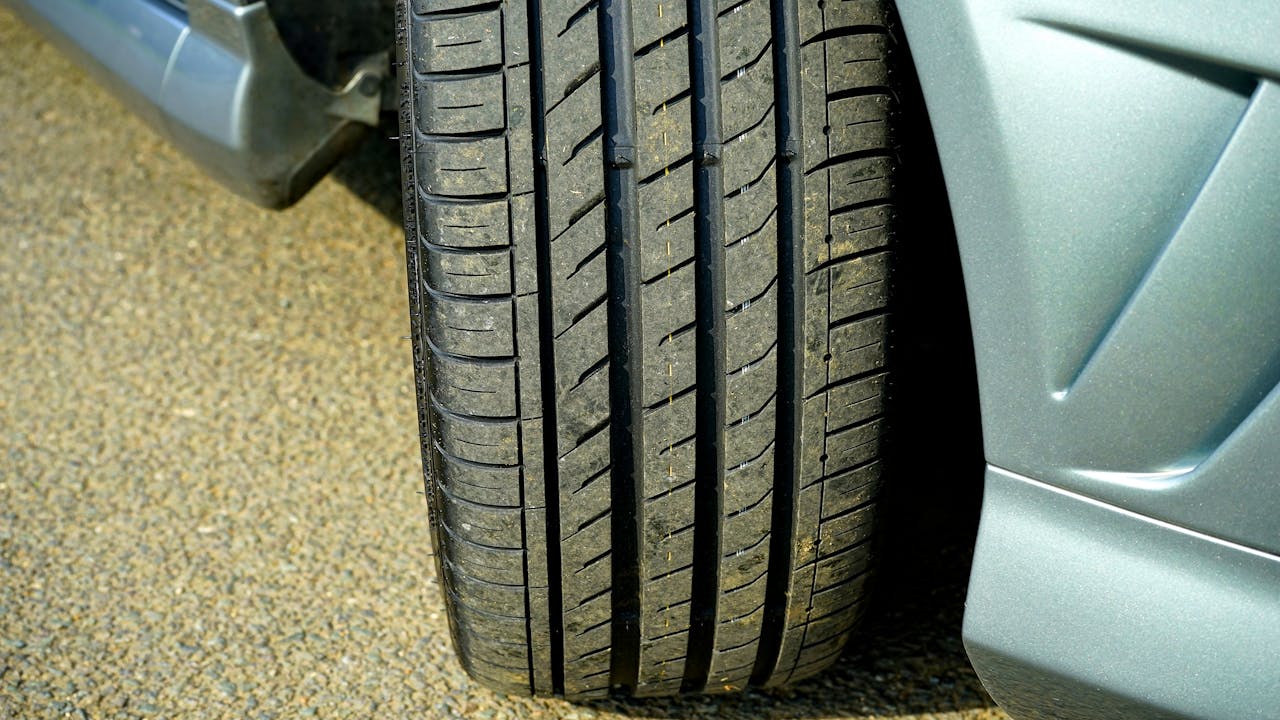
Sidewall Bulge in Your Tyres: Act Now
A small bump on the side of your tyre might seem like no big deal at first. Maybe you spotted it while checking your tyre pressure or filling up at the petrol station. But if that bulge is on the sidewall, it’s not something to ignore. That lump could mean damage deep inside the structure of the tyre, and it’s a warning that something’s gone wrong.
When it comes to tyres, a sidewall bulge is one of those problems that can catch people by surprise. You’re not likely to feel it while driving, and it doesn’t make much noise. Yet it can be one of the more serious issues if left alone. Here’s how to tell what you’re looking at, what causes it, and why you should act quickly.
Understanding Sidewall Bulges in Tyres
A sidewall bulge is exactly what it sounds like – a bubble-like lump that appears on the side of the tyre. It usually means that the internal layers of the tyre have been compromised. When the inner structure breaks down, air escapes from the inner liner and pushes outwards, forming a soft, raised area. This weak spot is no longer strong enough to manage the pressure and weight it’s meant to hold.
There are a few common reasons this happens. The most frequent cause is hitting something with force, like a kerb or a pothole. It may not seem like much at the time, but that jolt can break the internal cords that help the tyre keep its shape. Another reason might be hitting a speed bump too fast, or even running over sharp debris. Even over-inflation from a poorly calibrated pump can add stress to a tyre and increase the risk.
If you're not sure what to look for, here are a few signs that can help you spot a sidewall bulge:
- A distinct, bubble-like bulge sticking out from the side of the tyre
- A change in the shape of the tyre when seen from the side
- A soft spot you can feel if you press on it gently
- Uneven driving, especially at low speeds
These signs are easily missed if you're only checking the tread on your tyres. That’s why it helps to give your tyres a full once-over now and then, including the sidewalls. Catching a bulge early can stop you from ending up stranded or worse.
Immediate Actions to Take
Once you spot a sidewall bulge, the next step is simple: stop using that tyre. Driving on a tyre with a bulge is risky because that weakened area can burst without warning, especially at higher speeds or when turning. It’s just not safe to hope for the best.
Here are the steps you should take right away:
1. Avoid driving any further if possible. If you’re at home or somewhere safe, leave the car parked until help arrives.
2. If you must move the car, drive slowly and carefully to the nearest garage.
3. Don’t touch or press the bulge forcefully. It may feel soft or rubbery, but pressing it could make things worse.
4. Check the other tyres briefly to see if any similar damage is present.
One real-life example is a driver in Glasgow who ignored a small bulge noticed while topping up fuel before heading to work. That tyre blew out on the motorway during a routine lane change. No one was hurt, but the car had to be towed and needed several repairs, all because of what started as a small bump.
Avoid trying to patch or repair the bulge yourself. Tyre sidewalls carry the weight of your car and get constant pressure from every direction. That kind of weakened area isn’t something temporary fixes can solve. Getting the tyre inspected and replaced is the only safe way forward.
In short, if you find a bulge, take it seriously. It’s not just a mark or sign of wear, it’s a red flag that your tyre’s structure has failed and it no longer offers safe support.
Potential Risks Of Driving With A Bulged Tyre
Once that bulge appears, the tyre is no longer doing its job properly. Every drive puts pressure on it and that raised area becomes a ticking time bomb, especially on uneven roads or at higher speeds.
Some issues that could follow include:
- Immediate blowouts, especially when hitting a pothole or sharp turn
- Loss of control, especially if the blowout happens at speed
- Worn-out suspension, since the car may shift weight awkwardly
- Long-term strain on the rest of the tyres, causing uneven wear
- Decreased fuel efficiency since the tyre doesn't grip or roll properly
Ignoring the problem won’t make it go away. You might not notice major changes in how the car handles at first, but the damage is there. And once that section gets weaker, it won’t take much to make it give out. It’s not just the inconvenience, it’s a serious risk to you and anyone else in the car.
Why Professional Tyre Checks Matter
A tyre with a bulge isn’t something that can be patched or left alone. It needs proper assessment and likely replacement. That’s where tyre fitting comes in. In Glasgow, roads are unpredictable at the best of times. Rough kerbs, metal drainage covers, and winter road grit all test a tyre's limits. One fast kerb impact or poor road surface can be all it takes.
Getting a full tyre inspection means trained people check the inside of the tyre, not just the area that looks damaged. Some internal breaks won't even be obvious from the outside. Professionals can also tell if something else is wrong, like uneven wear from poor wheel alignment or suspension issues.
The right tyre fitting service will help you pick tyres that suit your driving habits and the terrain. Someone commuting across central Glasgow daily, for instance, might need something different from someone out on long motorway runs. Replacement isn't just about putting on a fresh tyre. It’s about fitting the right one for your vehicle and checking that the rest of the wheel setup isn't causing damage over time.
How To Avoid Sidewall Bulges In The Future
Once you've dealt with one bulge, it's natural to want to avoid the same stress again. The good news is there are plenty of ways to lower the risk of future tyre damage without needing to overthink it.
Here are a few things to help keep your tyres in shape:
- Drive carefully over kerbs, speed bumps, and potholes, and avoid them when you can
- Check your tyre pressure regularly using a reliable gauge
- Don’t let tyres run under or over-inflated for long periods
- Don’t overload the car beyond its rated weight limit
- Get a full check if your car has been in a heavy bump or if you hit something at speed
Regular maintenance also means rotating your tyres occasionally to keep the wear even, booking in alignment checks if your steering feels off, and replacing tyres before they get too worn down. If you’re unsure about your tyres' condition, even just a visual check once a month can help catch signs before they turn into problems.
Keep Your Tyres Safe and Secure
Spotting a sidewall bulge might seem minor at the time, but it’s never worth gambling with. The risks are real, and the signs are clear, once you know what to look for. Whether you’ve hit a sharp pothole or are just giving your car a once-over, treating tyre issues like this with urgency can help avoid headaches down the road.
Taking a few precautions, both in your driving habits and tyre maintenance, goes a long way. And when things don’t look right, getting a professional opinion right away is always the smarter move. Families, commuters, and daily drivers across Glasgow depend on safe tyres to get around. Don’t let a hidden danger roll you into trouble.
Tyre safety matters more than most people realise, and dealing with problems early can make all the difference on the road. If you’re looking for honest, expert help with tyre fitting in Glasgow, Langlands Road Garage is here when you need us. Let us help keep you moving safely and confidently, no matter where the road takes you.
