Why Your Car Might Be Using More Fuel Than Usual
If you've been filling up your tank more often than usual and driving the same routes, it's easy to get frustrated. Rising fuel use isn’t always due to fuel prices. Sometimes, it's your car quietly calling for attention. Increased fuel consumption could signal a problem, or it might be the result of little habits behind the wheel that are easy to overlook.
As we move closer to winter in Glasgow, colder weather brings its own challenges to fuel economy. Engines take longer to warm up, roads are often wetter, and traffic tends to be slower. All of these can put stress on your vehicle and its fuel efficiency. But before you put the blame entirely on the weather or traffic, it’s worth looking at a few other possible reasons why your car might be burning more fuel than usual.
Driving Habits That Drain Your Tank
How you drive plays a huge part in how much fuel your car uses. It’s not just about distance. The way you handle your vehicle can make a real difference to how far that tank gets you. Small changes in habit can go a long way.
Here are some common driving behaviours that often lead to higher fuel use:
- Rapid acceleration: Putting your foot down hard each time you move off takes more fuel. Try to ease into your speed instead.
- Harsh braking: Constantly braking late or suddenly makes your engine and brakes work harder, which adds up.
- Speeding: Driving faster doesn’t save time when it comes at the cost of fuel efficiency.
- Idling: Leaving your engine running while parked eats up fuel that gets you nowhere.
- Frequent short trips: Several short drives can use more fuel than one longer trip, especially if the engine doesn’t fully warm up.
One example is stop-start city traffic. If you’re constantly speeding up only to hit the brakes seconds later, your car can’t settle into a steady rhythm and ends up using more fuel than needed. By practising smoother driving, planning routes, and keeping a consistent pace, it’s possible to reduce fuel usage just by changing your habits.
Neglecting Maintenance Leads To Higher Fuel Use
A well-maintained car runs more efficiently. Without regular servicing, parts begin to wear down or get dirty, forcing your car to work harder than it should. That extra effort often shows up at the petrol station.
Some of the most common maintenance-related reasons for increased fuel use include:
- Dirty air filters: When the filter gets clogged, air struggles to reach the engine, which messes with combustion and fuel use.
- Old engine oil: Oil that hasn’t been changed in a while can lose its protective properties, making the engine work harder.
- Missed tune-ups: Skipping regular checks can allow small faults to grow, like spark plugs not firing properly.
- Faulty sensors: Issues with things like oxygen sensors can throw off your fuel mix and drop your mileage.
Routines like oil changes, replacing air filters, and regular servicing help your engine run the way it's supposed to. If you’ve noticed your car is burning through petrol faster and can’t figure out why, it might be overdue for a proper check-up at a trusted car garage in Glasgow. Early attention prevents small problems from turning into bigger ones and keeps your fuel use in check.
Check Your Tyres First
Tyres play a bigger role in fuel use than most people realise. If they’re under-inflated, worn unevenly, or not properly aligned, they create drag. That drag means your engine has to push harder, which uses more fuel. It can be something as simple as not noticing your tyres have lost a bit of pressure over time.
In Glasgow’s colder months, tyre pressure can drop more quickly because of lower temperatures. This often goes unnoticed. Even when it's just a small change, it adds unnecessary strain on your car. You might find you're topping up the tank more often without even leaving the city much.
Here’s a quick list of tyre issues that can lead to higher fuel use:
- Low tyre pressure: Causes extra friction with the road. Check your pressure monthly or before longer drives.
- Poor wheel alignment: If your car pulls slightly to one side, this could be the problem. Misalignment forces your engine to work harder.
- Worn tyres: When the tread wears unevenly, traction drops and your engine overcompensates to keep control.
- Wrong tyre type: Winter or all-season tyres may be better for the colder Glasgow roads around November. Summer tyres in winter conditions could perform less efficiently.
Checking tyre pressure takes only a few minutes and can make a noticeable difference at the pump. Having the wheels aligned and balanced regularly also helps with both safety and fuel use. If something feels off while you're driving, it might be more than just the road.
Fuel Efficiency Suffers From Poor Engine Performance
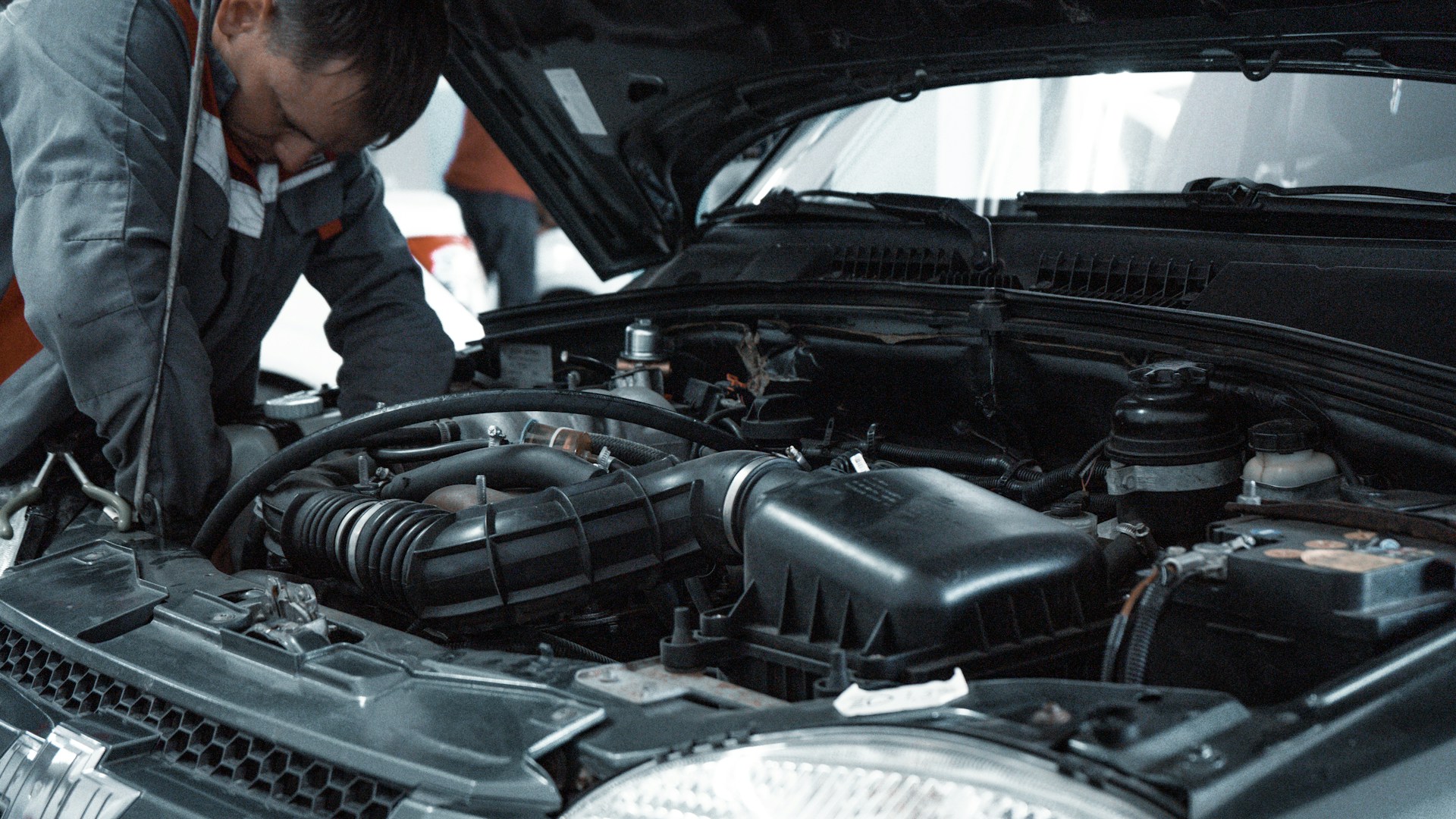
If you’ve ruled out tyres and driving habits, your car’s engine might be sending you a message. When an engine isn't running properly, it can start to overwork itself, using more fuel to do what it used to manage with less. This tends to creep up on people, especially when they can still get where they're going without obvious trouble.
For example, a faulty oxygen sensor can confuse your engine into using the wrong air-to-fuel ratio, and that imbalance drops your fuel efficiency fast. Other times, dirty fuel injectors can cause your engine to misfire or struggle, wasting fuel you’ve just paid for.
Some warning signs that point to an issue with the engine:
- Rough idling or shaking while stationary
- Difficulty starting the car, or stalling in cold weather
- Strong petrol smell from the exhaust
- Sudden drop in power when accelerating
- Engine warning light flicking on
Glasgow drivers often face quick trips and unpredictable traffic, which doesn’t give an engine much chance to breathe. When your car isn’t doing the same miles per litre it used to, it’s worth checking what’s happening under the bonnet. Ignoring signs like odd noises, vapour at start-up, or a sluggish engine usually leads to more fuel being burned, not less.
How Glasgow Driving Conditions Can Affect Your Tank
Driving in Glasgow presents a few challenges, especially during late autumn. Colder starts, shorter daylight hours, and increased stop-and-go traffic from school runs and holiday shoppers all take their toll. It’s not just how you drive, but what you’re driving through that matters.
Short trips, like popping to the shops or dropping the kids off at school, don’t give your engine time to reach its most fuel-efficient temperature. Cold weather thickens your engine oil too, making moving parts work harder. Add in slow traffic along Paisley Road or Victoria Road during peak hours, and it's a perfect mix for poor fuel economy.
To get the most out of every litre in urban settings like Glasgow:
- Combine errands into one trip
- Avoid warming your car for too long on cold mornings
- Know your traffic patterns and take less congested routes even if slightly longer
- Check that your heater and HVAC systems are working properly without draining power
Being aware of how driving conditions in Glasgow shape fuel use can help you take small but helpful steps. Simple tweaks like avoiding idling for too long or adjusting your route based on time of day can go a long way.
Simple Habits That Help Reduce Costs
Every car owner wants to save money without cutting corners. To do that, focus on the basics. Keep your tyres right, service your engine regularly, and be gentle with your pedals. Pair that with smart trip planning and you’ll notice your fuel costs stay more consistent, even when prices aren’t.
Fuel economy isn’t just about saving on petrol either. When your car runs more efficiently, it lasts longer, drives smoother, and stays safer. You also avoid the stress of unexpected repairs that often show up right before a holiday or a long winter journey.
A little care goes a long way. Whether the cause is hidden in your engine or under your tyres, knowing what to look for can help you cut down your fuel use and catch problems before they turn serious. Getting professional support from someone who understands your car and the roads it takes can make all the difference.
To keep your vehicle running efficiently and tackle any fuel consumption issues, it helps to have a reliable team on your side. At Langlands Road Garage, we understand the everyday driving challenges Glasgow presents. If you’re looking to reduce fuel usage and keep your car in top condition, our experienced team at our car garage in Glasgow is here to support you with honest advice and quality care tailored to your needs.
